

Metal electroplating is a finishing process that adds a thin metal coating to the surface of a part through an electrochemical reaction. Companies use it to improve appearance, protect against corrosion, increase wear resistance, and fine-tune surface performance for specific applications.
In manufacturing, electroplating is not just about looks. It affects durability, material selection, product performance, and production consistency. The right process depends on the base material, the intended use, and the finish the product needs to achieve.
For metal parts, electroplating is often used to improve protection and appearance. For ABS plastic parts it is commonly used to create a metallic look while keeping the weight and design flexibility of plastic.
Why Electroplating Matters
Electroplating is widely used because it supports both form and function. Depending on the application, the coating may be used to improve one specific property or several at the same time.
Appearance
Electroplating can create a range of surface looks, from bright and reflective to soft, matte, or textured. Common finishes include bright chrome, satin chrome, satin nickel, and hairline finishes. These are often used on automotive trim, bathroom fixtures, appliance exteriors, and consumer products.
Corrosion Protection
When parts are exposed to moisture, salt spray, sweat, or polluted air, the plated layer helps protect the base material and extend product life.
Wear Resistance
Some plated finishes also improve hardness and surface durability, making them a practical choice for parts that are touched often or exposed to regular friction.
Conductivity and Functional Performance
In electronics and contact applications, electroplating can improve conductivity, contact reliability, and surface performance.
Lightweight Parts With a Metal Look
For plastic components, electroplating makes it possible to achieve a metallic appearance without giving up the weight and design advantages of plastic. That is one reason plated plastic parts are widely used in automotive, bathroom, appliance, and packaging products.
How Metal Electroplating Works
Electroplating is based on a simple electrochemical principle. The part is placed in a solution that contains metal ions. When electrical current is applied, those ions deposit onto the surface of the part and build the desired metal layer.
A typical electroplating system includes:
- The cathode, which is the part being plated
- The anode, which supplies the metal source
- The electrolyte, which contains the metal ions
- The power supply, which drives the deposition process
As current flows through the system, metal ions build up on the part surface and form the finish.
Of course, a plated surface is only as good as the process behind it. The real measure of quality is not whether metal has been deposited. It is whether the coating is even, well-bonded, within the thickness spec, and able to perform reliably in the field.
The General Electroplating Process
The exact process depends on the material and finish requirement, but most electroplating projects follow the same basic flow.
1. Pretreatment
Pretreatment removes oil, oxides, dust, and other surface contaminants. It also prepares the part for proper adhesion.
If this step is rushed or incomplete, issues like blistering, poor adhesion, or uneven appearance can show up later.
2. Surface Activation
The surface is then activated so it is ready for metal deposition.
This step looks very different for metal and plastic parts. Plastic substrates usually require much more preparation before plating can begin.
3. Metal Deposition
Once the part enters the plating bath, electrical current is used to deposit metal ions onto the surface and build the coating.
At this stage, factors such as time, current density, temperature, and chemistry are adjusted based on the coating material, required thickness, and end use.
4. Finish Development
After the plated layer is formed, the final surface look is created based on product requirements. This may include bright chrome, satin nickel, satin chrome, trivalent chrome, or other specialty finishes.
Inspection and Verification
After plating, the part still needs to be checked for appearance, adhesion, coating thickness, and corrosion resistance to confirm that it meets quality and application requirements.
Common Electroplating Finishes
The final appearance depends on the plating material, process conditions, and product design goals. Some of the most common finishes include the following.
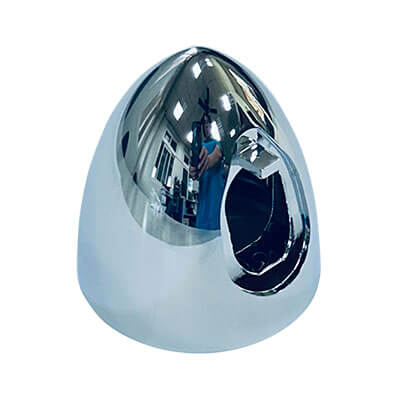
Bright Chrome
Bright chrome delivers a highly reflective, polished metal appearance. It is often used on decorative exterior parts such as automotive trim, bathroom hardware, and select appliance components.
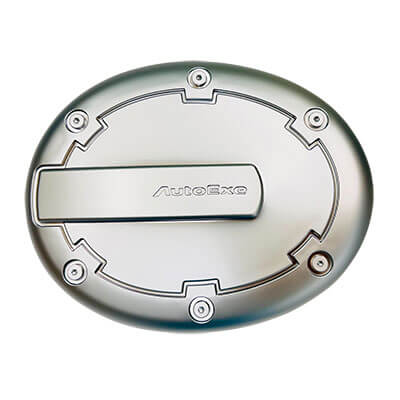
Satin Chrome
Satin chrome keeps the metallic look but with a lower gloss and a softer visual feel. It is often used where reduced glare and a more understated finish are preferred.
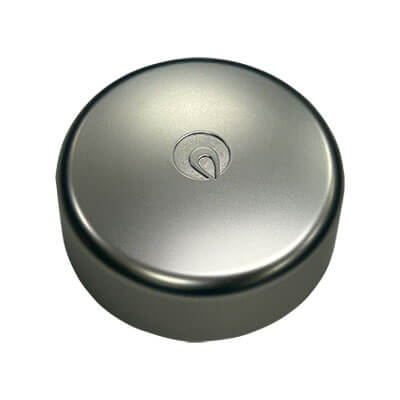
Satin Nickel
Satin nickel has a smooth, refined texture and low reflectivity. It is commonly used on appliance buttons, knobs, and premium consumer products.
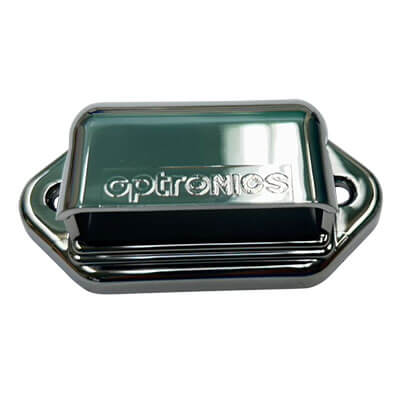
Trivalent Chrome
Trivalent chrome is often chosen when appearance needs to be balanced with environmental and regulatory requirements. It is also a common consideration for export products and global supply chains.
Hairline Finish
A hairline finish adds a directional metallic texture that gives the surface more depth and a more refined design feel. It is commonly used on visible exterior parts where surface character matters.
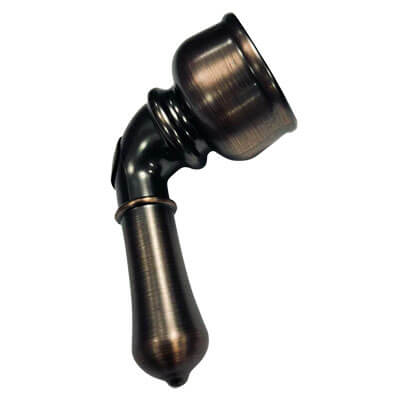
Comparing Common Finishes
| Finish | Appearance | Typical Applications | Key Benefits |
| Bright Chrome | Bright, reflective, mirror like | Automotive trim, bathroom fixtures | Strong visual impact, highly decorative |
| Satin Chrome | Low gloss, matte metallic look | Interior parts, functional exterior parts | Softer appearance, reduced glare |
| Satin Nickel | Fine texture, low reflectivity | Appliances, buttons, knobs | Refined look, subtle finish |
| Trivalent Chrome | Bright metallic finish | Export products, spec driven parts | Supports appearance and compliance goals |
| Hairline Finish | Directional metallic texture | Panels, packaging, decorative parts | Adds depth and design detail |
Metal Plating vs Plastic Plating
People often think of electroplating as something done only on metal parts. In practice, metal plating and plastic plating serve different purposes and follow different process paths.
Metal Part Plating
Because metal is conductive, the process typically focuses on cleaning, degreasing, rust removal, activation, and coating control.
The main goal is usually to improve corrosion resistance, wear resistance, or decorative quality.
Plastic Plating
Plastic is not conductive, so it cannot be plated the same way as metal.
With ABS, for example, the part usually goes through etching, activation, and conductive treatment before metal layers can be deposited.
Different Process, Different Purpose
Metal plating is generally used to improve the surface of an existing metal part.
Plastic plating is often part of a broader product and material strategy. It allows manufacturers to keep the lightweight and design flexibility of plastic while achieving a stable metallic finish.
Materials and Applications
Electroplating can be applied to a wide range of substrates, including:
- Iron, steel, and stainless steel
- Zinc alloys and aluminum alloys
- Copper and copper alloys
- Plastics such as ABS and ABS plus PC
Common applications include:
- Automotive trim and exterior parts
- Bathroom fixtures
- Appliance exterior components
- Cosmetic packaging
- Mechanical and decorative accessories
Because each application comes with its own performance requirements, the plating approach usually needs to balance appearance, corrosion resistance, adhesion, service environment, and production needs.
How to Evaluate Electroplating Quality
A plated finish should be judged on more than appearance alone. Long-term stability and real-world performance matter just as much.
Adhesion
The coating needs to stay firmly bonded to the substrate. If adhesion is weak, peeling, flaking, or blistering may occur.
Coating Thickness
Thickness affects protection, consistency, and durability. It needs to meet the required specification.
Surface Uniformity
Color, gloss, haze, and texture should remain consistent across the part, especially in decorative applications.
Corrosion Resistance
For products used in bathroom environments, automotive exteriors, or humid conditions, corrosion resistance is often one of the most important performance checks.
Environmental Reliability
If the product will face temperature swings, humidity, or long-term use, the plated layer also needs to remain stable over time.
Common test methods include:
- Cross hatch adhesion testing
- Coating thickness measurement
- Salt spray testing
- Thermal cycle testing
Frequently Asked Questions
Q: What is metal electroplating?
A: Metal electroplating is a technique that uses electrochemical methods to deposit a metal coating onto a material's surface. It is commonly used to enhance appearance, corrosion resistance, wear resistance, and surface functionality.
Q: How is electroplating different from other surface treatments?
A: Surface treatment is a broad field encompassing electroplating, spray coating, anodizing, and PVD. Electroplating is a specific method based on the deposition of metal ions.
Q: Can plastic parts be electroplated?
A: Yes. However, since plastic is non-conductive, it must first undergo pretreatment, activation, and metallization (conductive coating) before proceeding to the standard electroplating process.
Q: What is the difference between trivalent chrome and hexavalent chrome?
A: Trivalent chromium is generally more aligned with modern environmental regulations and is frequently required for products subject to export standards and supply chain compliance. The final choice should be based on product specifications and market demands.
Q: Can the plated layer peel off?
A: Yes. If pretreatment is inadequate, adhesion is poor, or process control is unstable, peeling or blistering can occur. This is why a rigorous manufacturing process and quality validation are essential.
Q: Can electroplating hide scratches or surface defects?
A: Generally, no. Electroplating is not a leveling process. If the substrate surface has noticeable scratches, dents, or irregularities, these will likely remain visible after plating. Therefore, the quality of the base material and pretreatment is crucial.
Closing Thoughts
Metal electroplating is about more than surface appearance. It plays a direct role in product durability, material strategy, finish quality, and manufacturing consistency.
From metal components to ABS plastic parts, different substrates call for different process methods and evaluation standards. Choosing the right electroplating solution means looking at appearance, corrosion resistance, adhesion, compliance requirements, and production feasibility together.
For plastic based applications, the discussion often goes beyond the finish alone. Weight reduction, part design, and production stability are also part of the decision.